Handmade bracing

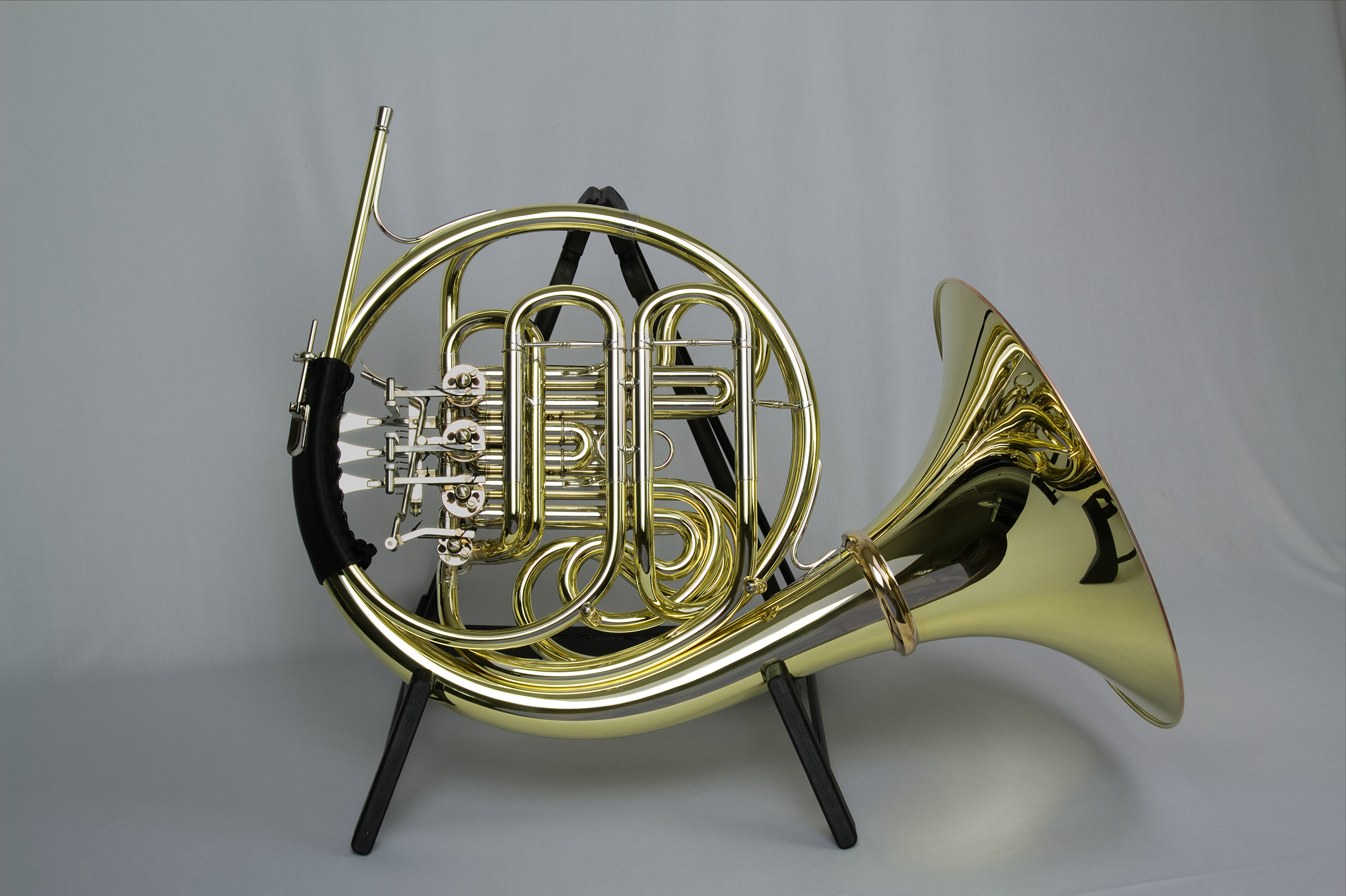
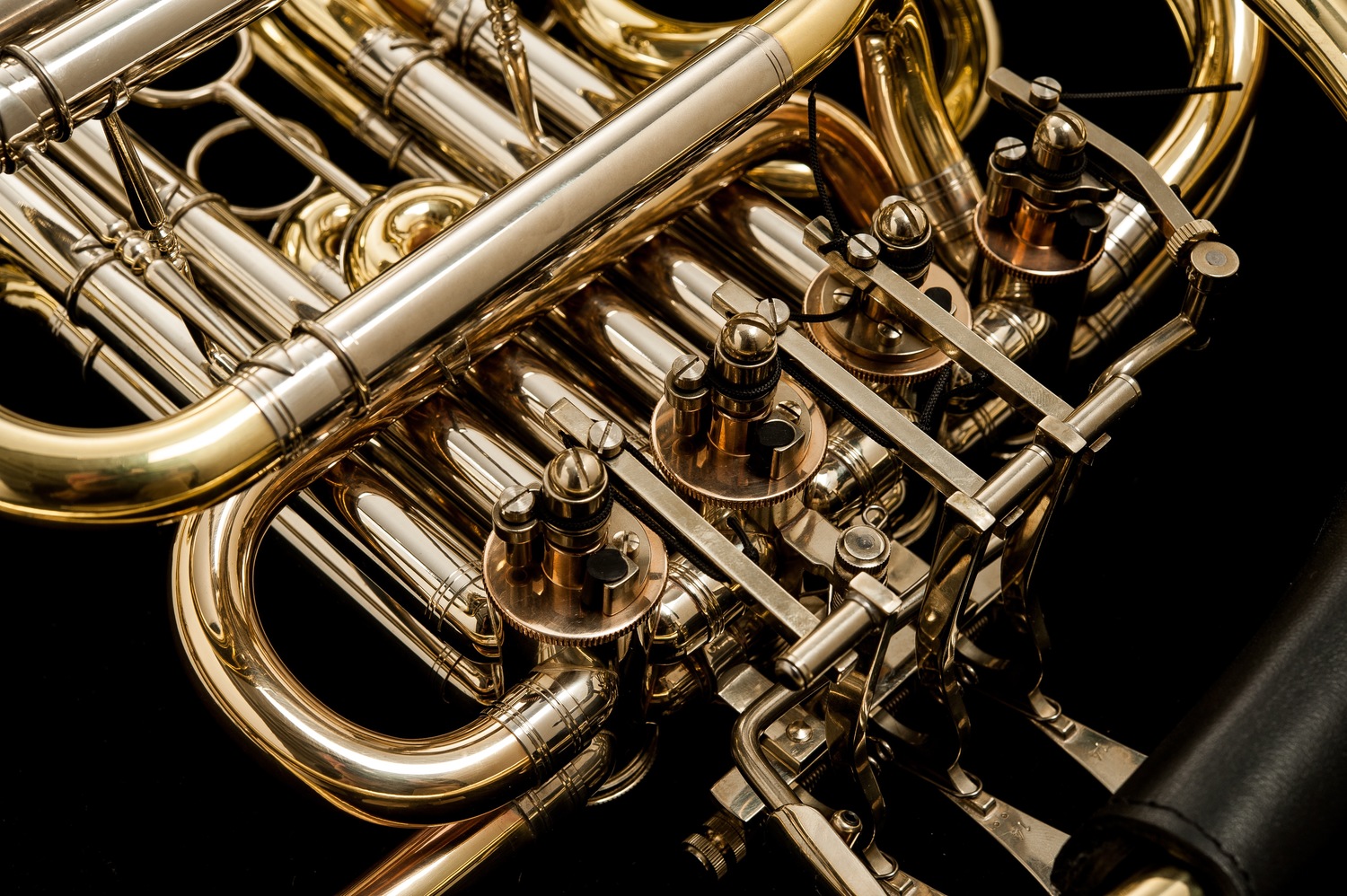
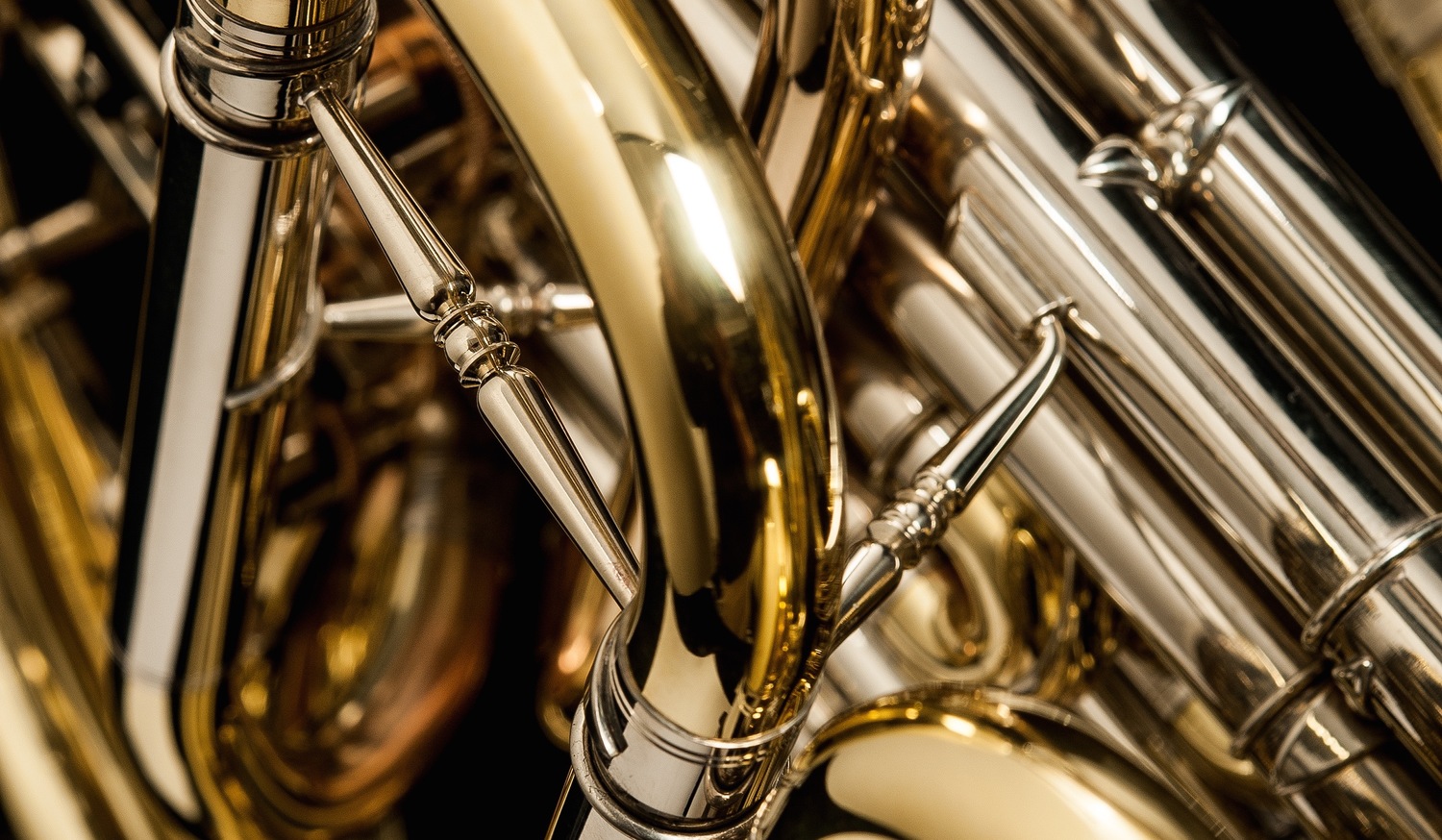
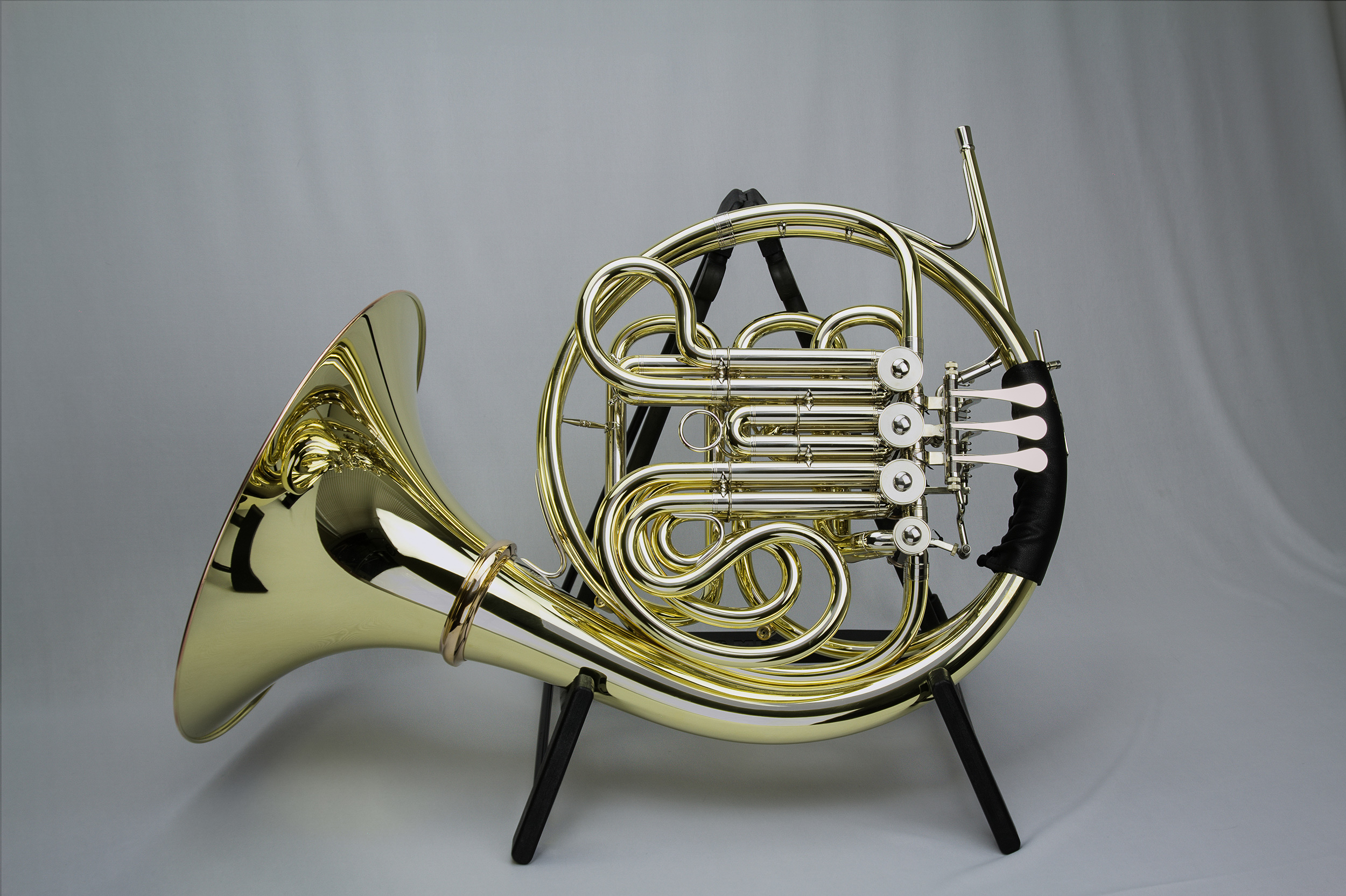
I have the option to buy valve bracing from Meinlschmidt when I buy the valves. I have considered it in the past to make my life easier and speed things up. After this last batch of braces though, it’s become clear that the extra time that I spend making them is worth it, they look awesome!

Mine are on the left and the stock ones from Meinlschmidt are on the right. First, the braces between the outer slides on the valve section:

Bracing on the 1st and 3rd valve slides:

As you can see, the braces that I make are lighter, cleaner and more ornamental looking than the stock braces I could buy. I am also able to change the styling as I (or the player) choose. It gives my horns a unique and flexible aesthetic that I love!

Leave a Comment

Nice note!

I wanted to share a nice note from someone I have been working with over the last few weeks.

“You have been EXTREMELY helpful and it is a pleasure doing business with you. It is very difficult in the horn world to find people that are a) helpful, and b) respond in a timely manner. Usually its one or the other, not both.

Thanks
Adam L.”

Thanks for the compliment Adam!

Leave a Comment

A common issue with factory horns

I have seen this problem on some horns that I have worked on recently and I wanted to bring it to your attention.

I am pointing this out to make a case for spending the extra money for a custom horn, not to say that horns made in a factory are inherently bad. I realize that there are people put off by how much more expensive a horn is from a small custom maker but there is a good reason!

The issue I am talking about for this post is with the F tuning slide on a (anonymous) Geyer wrapped horn. A tuning slide  needs to be parallel, as does its outers, in order to run smoothly. The way to measure parallel-ness is to take a measurement with a caliper at the top and bottom of the slide and compare the two. The maximum difference I will allow on a horn is .005″. Here are the measurements from the factory horn.

Measurement from the top of the slide (horn is upside down to get a caliper reading):

Measurement from the bottom:

The difference is .016″, three times what I would allow on a horn. Why is this a problem?

As you can see, when you try to put the slide in, the legs do not match up. In order to get the slide into the horn, you actually have to squeeze the two outers together and then push the slide in. This causes a fair bit of tension in the horn when you let go, not to mention some hassle when you need to empty this slide.

The added tension from the tuning slide will certainly change the way the horn vibrates. An advantage of small boutique makers is that each horn is the most important horn. I make horns one at a time to ensure that I stay focused on quality and not quantity.

Comments (1)

Cleaning tip for lacquered horns

I am not fond of lacquered horns because they are difficult to work on/ repair and difficult to clean. However, I discovered a tip that makes it a little easier to keep acid from your fingers from eating through the lacquer (as fast).

Windex. Or another glass cleaner, I suppose it wouldn’t have to be Windex.

Keep a small bottle, like trombone players have to mist their slide, in the case and use it to wipe the horn down at the end of the day. Spray directly on the horn or on a rag and wipe the most touched parts of the horn.

Hopefully, you can prolong the life of the lacquer and enjoy a streak-free shine!

Leave a Comment

New review of single Bb/C horn!

I added a review of the first Bb/ C ascending horn on the “Reviews” page, have a look! Thanks Scott for writing up your thoughts!

Scott Hawkinson and his Medlin single Bb/C horn.

Comments (4)

Horn testing using excerpts

I just wrote a long email describing the excerpts that I use to evaluate a fresh horn and I thought it would be interesting for everyone. These are the baseline excepts that I use to decide what adjustments need to be made before sending it off. You can use this as well when trying horns as a way to get a good sense of a horn in a short amount of time.

  1. Mahler 1 mvt 3 low- I test especially the low F (T0) to F# (2) in the context of the excerpt. That note change will have the most pop across the valve (on a Geyer horn) of any excerpt and if I can live with it, the rest is a breeze.
  2. MSND- I test this excerpt to see how efficiently the horn plays long lyrical passages. If the horn is not very efficient, I run out of air and I get tired. If the horn is too tight, the air backs up and I get tired. If I can make it all the way through comfortably, it works! I also test this except with special attention to the F# octaves to make sure that they are in tune and that the mid-high register holds the pitch up (especially when I get tired) rather than letting it sag.
  3. Freischutz Hn 1- This makes sure that the top G sits comfortably and holds itself up without sagging, especially by the end. Also Hn 4 to test how smoothly the horn can go across the mid range into the basement.
  4. Beethoven 3 mvmt 3 Hn 1- I test how stable the top Bb is when given a good amount of air. I actually will often overblow this excerpt and see if the top notes back up or go flat. Both of those are bad.
  5. Queen Mab- This tests how agile the horn is, especially in the mid range when clarity can be a problem
  6. Rosetti D minor concerto (opening)- To test how quick response is in a technical situation, mostly in the mid- high range.
  7. Preparatory melodies (Schantl/ Pottag edition) number 6- Test quickness moving through the mid low register.
  8. Don Juan- Testing loud. Making sure that the upper D and the top F# at then end don’t blow flat at high volumes.

This covers most things. I make adjustments according to what I hear and how it feels. I also play whatever I happen to be working on (or whatever happens to be on the stand) to make sure that it is overall an easy and enjoyable horn to play.

Comments (1)

To cut, or not to cut (your bell)

I’ve had some questions about bell cutting and it’s pros/ cons and acoustical effect. Here are some thoughts based on my observations. This applies to Geyer designs although the general ideas should be similar with Kruspes.

1) Do NOT cut a bell on a horn that you absolutely love! Some reasons are:

  • Cutting a bell requires the horn to be disassembled and the bell tail removed. This disturbs the connection between the bell tail and first/ short f branch pair as well as between the bell tail and mouthpipe. Since Geyer horns rely on carefully proportioned long solder joints between the aforementioned parts, it would take a miracle to get the horn back together with exactly the same balance. I suppose the effect would be less dramatic if the horn is braced instead.
  • The additional weight at the bell changes the way the horn focuses the sound. By now readers should be familiar enough with my philosophies to know that I am not about to offer a scientific explanation for this. My obersvations are that the added weight gives more core to the sound and also makes the horn feel “tighter” in the upper range. If left unbalanced, I have also experienced intonation problems.
  • A horn with damage to the bell tail section is very difficult to cut and get a good fit, even in the most experienced hands. Many bell cut jobs are a “best possible job considering the circumstances” deal.

If you want a cut bell, think ahead and have it done before you see it for the first time. There is nothing more disappointing than having a horn you dearly love change…

2) On the other hand, having a cut bell is GREAT! There are dozens of excellent reasons to have a cut bell, for example:

  • TRAVEL! No longer are you begging the stewardess to put the horn in the closet at the front of the plane…
  • Instant access to sound/ response changes. I will post later about bell shapes and alloys, but its pretty amazing to hear and feel the changes that a different bell can make.
  • More focused core to the sound. A properly balanced horn will play better with a cut bell than a single piece. There is something really satisfying about the weight being toward the bell instead of sitting in the valves. I get more power and more control over pitch that way although I can’t speak for the designs of others.
  • You can wear the bell like a hat
  • Ok, so maybe not dozens, but at least 3 HUGE benefits.

3) I prefer working with a cut bell, it makes my life much easier in the construction of the horn and I find the weight to be critical to my design. That is the big reason that I do not charge extra to build the horn with a detachable bell. I do not want people to go with a fixed bell as a cost cutting measure!!

So, I would say that if you are buying a new horn, consider buying a detachable model. Make sure that you know the ring set that is used and how to try or get additional bells. If you already own the horn and are considering cutting the bell, think carefully about how much gnashing of teeth would happen if it changed slightly. If you are in love with, I would pass. However if you are ho-hum about the way it plays, its possible the bell job might even make it play better!

Leave a Comment

Beethoven Beagle

Thanks Catherine for digging this up somewhere!!

Happy Easter!!

Leave a Comment

Just-a-pipe specs update

I’ve noticed a few dents and dings on a couple of pipes I’ve made and have decided to make the bodies a little bit thicker. I think this should increase the lifespan and make it hold up better in my glove box.

The extra weight is not very noticeable and the pipe is much more rugged for hiking or roller skating or cage fighting while having it in your pants pocket. I think it’s a good move.

In other news, new pictures of the single Bb horn are on the way, per request of Mark Taylor!

Leave a Comment

Mid South next!

Thanks to everyone who stopped by this past weekend at the NE workshop to play the horn. I was indeed able to finish a new horn! Next for me is the Mid-South workshop in Stillwater OK. Hope to see you there!!

I will be bringing a few extra bells to the workshop. If you are looking for a new bell and have an Alex ring, stop by and try some out!

Leave a Comment